


















Practical ISO 9001 implementation that strengthen business operations
Fixed-fee support for quality leaders who need an ISO 9001 system that works in real operations, reduces unnecessary paperwork, and supports certification with clear, audit-ready evidence.


WHERE YOU ARE IN THE PROCESS
Buyers Navigating ISO 9001 Typically Face One of Three Core Challenges
Organizations do not all arrive at ISO 9001 from the same place. In most cases, the project begins with one of these three realities.
Certification Is Coming, but the Project Is Still Unclear
You know ISO 9001 is becoming necessary, but core questions are still unresolved. Scope, effort, timing, and the right level of support all need to be defined.

Quality Needs to Be Formalized Without Slowing the Business
Customer expectations, supplier pressure, or internal growth may be pushing you toward ISO 9001, but the system still needs to stay practical and usable in day-to-day operations.

You Are Still Working Out What ISO 9001 Will Involve
You may be early in the process and still trying to understand what ISO 9001 requires, whether it fits your organisation, and what certification would actually mean in practice.
WHERE YOU ARE IN THE PROCESS
Buyers Navigating ISO 9001 Typically Face One of Three Core Challenges
Organizations do not all arrive at ISO 9001 from the same place. In most cases, the project begins with one of these three realities.

Certification Is Coming, but the Project Is Still Unclear
You know ISO 9001 is becoming necessary, but core questions are still unresolved. Scope, effort, timing, and the right level of support all need to be defined.

Quality Needs to Be Formalized Without Slowing the Business
Customer expectations, supplier pressure, or internal growth may be pushing you toward ISO 9001, but the system still needs to stay practical and usable in day-to-day operations.

You Are Still Working Out What ISO 9001 Will Involve
You may be early in the process and still trying to understand what ISO 9001 requires, whether it fits your organisation, and what certification would actually mean in practice.
For Internal Champions
If This Project Sits With You, You Are Probably Being Asked to Answer More Than Certification Questions
Before ISO 9001 implementation begins, someone inside the business usually needs to define scope, estimate the effort, shape a realistic timeline, and explain what kind of support is actually needed. That is often where projects slow down before they properly begin.
Clear
Scope
Define which products, services, sites, and processes belong inside the quality management system so the project reflects operational reality from the start.

Internal
Effort
Understand what leadership, process owners, and quality teams will need to contribute so the internal lift is visible before implementation begins.

Realistic
Timeline
Build a realistic plan based on current maturity, business complexity, and the work required before certification readiness can be demonstrated.

Practical
Support
Set clear expectations around milestones, deliverables, support level, and project cost so the path to certification is easier to approve.
For Internal Champions
If This Project Sits With You, You Are Probably Being Asked to Answer More Than Certification Questions
Before ISO 9001 implementation begins, someone inside the business usually needs to define scope, estimate the effort, shape a realistic timeline, and explain what kind of support is actually needed. That is often where projects slow down before they properly begin.

Clear Scope
Define which products, services, sites, and processes belong inside the quality management system so the project reflects operational reality from the start.

Internal Effort
Understand what leadership, process owners, and quality teams will need to contribute so the internal lift is visible before implementation begins.

Realistic Timeline
Build a realistic plan based on current maturity, business complexity, and the work required before certification readiness can be demonstrated.

Practical Support
Set clear expectations around milestones, deliverables, support level, and project cost so the path to certification is easier to approve.
Implementation support should improve the business before it satisfies the audit, giving organizations stronger control, better visibility, and clearer accountability without turning ISO 9001 into a paperwork exercise.
WHAT ISO 9001 SOLVES
The Standard Becomes Relevant When Informal Quality Management Starts Creating Drag
ISO 9001 usually becomes necessary when quality is no longer the problem of one team or one function. As organizations grow, informal controls start creating friction across delivery, ownership, corrective action, and decision-making. This is where a structured quality management system begins to add real value.
Inconsistent Execution
Work is carried out differently across teams, sites, or functions, making quality harder to control consistently.

Weak Ownership
Responsibilities and handoffs are unclear, so accountability becomes too loose across the business.
Recurring Issues
The same nonconformities return because root causes are not being addressed properly or followed through.
Misaligned Operations
The QMS exists on paper, but it does not align closely with day-to-day operations.
Limited Visibility
Leadership lacks a clear view of quality performance, process issues, and improvement priorities.
WHAT ISO 9001 SOLVES
The Standard Becomes Relevant When Informal Quality Management Starts Creating Drag
ISO 9001 usually becomes necessary when quality is no longer the problem of one team or one function. As organizations grow, informal controls start creating friction across delivery, ownership, corrective action, and decision-making. This is where a structured quality management system begins to add real value.

Inconsistent Execution
Work is carried out differently across teams, sites, or functions, making quality harder to control consistently.

Weak Ownership
Responsibilities and handoffs are unclear, so accountability becomes too loose across the business.

Recurring Issues
The same nonconformities return because root causes are not being addressed properly or followed through.

Misaligned Operations
The QMS exists on paper, but it does not align closely with day-to-day operations.

Limited Visibility
Leadership lacks a clear view of quality performance, process issues, and improvement priorities.
WHY A TO Z Management Consulting
Why Quality Leaders Trust A to Z with ISO 9001
We do not force your organization to adapt to a generic quality model. We adapt ISO 9001 to the way your business already operates, so the system is easier to approve internally, easier to maintain, and easier to defend during audit.
100% Success Rate
We bring a strong track record across ISO and management system certifications, helping organizations move toward audit readiness with a structured approach that holds up in practice.
Fixed-Fee Support
Defined deliverables, clear project phases, and straightforward pricing make the engagement easier to evaluate internally and easier to manage without hidden surprises.
Milestone Delivery
The work is structured around clear stages, so progress is visible, responsibilities are clearer, and the path to certification is easier to plan and control.
Real Operations
ISO 9001 is aligned to your actual processes, responsibilities, and workflows so the system strengthens operational control instead of creating a parallel compliance layer.
Less Paperwork
We focus on essential documentation, realistic implementation, and usable evidence so quality teams can sustain the system without unnecessary administrative burden.
Software Visibility
Compliance Command™ supports document control, progress tracking, and readiness visibility for teams that need more coordination and structure during implementation.
OUR ISO 9001 SERVICES
Expert Support Across Every Stage of ISO 9001
Whether you are defining scope, preparing for certification, strengthening internal ownership, or improving long-term system visibility, we provide practical support across the full ISO 9001 journey.

Consulting
Practical Guidance for Implementation and Certification
• Project scoping and planning
• Gap review and roadmap
• QMS design for real operations
• Documentation development
Auditing
Clear Visibility into Gaps and Readiness
• Internal audit planning and execution
• Audit findings and corrective action
• Second-party and supplier audits
• Process and compliance evaluation
Training
Practical Learning for Stronger Ownership
• ISO 9001 awareness sessions
• Process-owner and leadership training
• Internal audit training
• RCA and problem solving

Software
Structured Visibility for System Management
• Integrated compliance platform
• Automated workflows and approvals
• Multi-standard compliance support
• Real-time KPI reporting
OUR ISO 9001 SERVICES
Expert Support Across Every Stage of ISO 9001
Whether you are defining scope, preparing for certification, strengthening internal ownership, or improving long-term system visibility, we provide practical support across the full ISO 9001 journey.

Consulting
Practical Guidance for Implementation and Certification
• Project scoping and planning
• Gap review and roadmap
• QMS design for real operations
• Documentation development

Auditing
Clear Visibility into Gaps and Readiness
• Internal audit planning and execution
• Audit findings and corrective action
• Second-party and supplier audits
• Process and compliance evaluation

Training
Practical Learning for Stronger Ownership
• ISO 9001 awareness sessions
• Process-owner and leadership training
• Internal audit training
• RCA and problem solving

Software
Structured Visibility for System Management
• Integrated compliance platform
• Automated workflows and approvals
• Multi-standard compliance support
• Real-time KPI reporting
WHAT GOOD LOOKS LIKE
A Quality Management System That Works in Practice
ISO 9001 readiness is not proven by a manual, a few procedures, or a scheduled audit. It becomes visible in how the organization actually works. Processes are defined, ownership is clear, records are usable, and quality issues are addressed through structured correction and improvement.
Real Process Control
Core processes are defined to reflects how work is actually performed. Inputs, outputs, responsibilities, sequence, and interaction are clear enough to support consistency.
Measurable Objectives
Quality objectives are relevant to the business, measurable in practice, and reviewed through data that shows whether performance is improving over time.
Effective Corrective Action
Issues are investigated properly, linked to root causes, assigned to accountable owners, and reviewed to confirm that corrective action actually worked.
Active Management Review
Leadership review is structured around results, risks, audit findings, feedback, and improvement priorities so quality is managed at system level.
HOW IT WORKS
A Structured ISO 9001 Implementation Approach
Documentation Development
Develop QMS policies, procedures, records, and supporting controls aligned to your operations, roles, and quality objectives.
Internal Audit
Test process consistency, record quality, internal audit readiness, and control effectiveness through internal review.
Audit Support
Gap Assessment
Review current practices against ISO 9001 requirements and identify key gaps affecting readiness and process consistency.
Implementation
Embed quality processes, corrective action, operational controls, and performance tracking into day-to-day activities.
Readiness Review
WHAT YOU RECEIVE
What the Client Receives During ISO 9001 Implementation
A strong ISO 9001 project should result in more than documentation alone. It should produce clear system outputs, audit-ready materials, and a structure the business can continue using after certification.
Core System Deliverables
- Defined QMS scope and process structure
- Gap review and remediation roadmap
- Quality policy, objectives, and procedures
- Operational records and control documents
Audit Readiness Deliverables
- Internal audit findings and corrective action logs
- Management review framework and records
- Nonconformity and improvement records
- Certification readiness and audit support files
Impact
Results Beyond the Audit
ISO 9001 should strengthen the business as much as it supports the audit, improving control, simplifying quality management, and reinforcing credibility with customers and suppliers.
Process
Efficiency
- More consistent execution
- Clearer ownership across teams
- Fewer process blind spots
Data-Driven Decisions
- More usable quality data
- Stronger review discipline
- Simpler ongoing maintenance
Audit
Readiness
- Clearer evidence trail
- Better internal audit discipline
- More reliable management review
Commercial Confidence
- Stronger supplier confidence
- More customer trust
- Better qualification posture
Who We Support
Where Quality Management Becomes Business-Critical
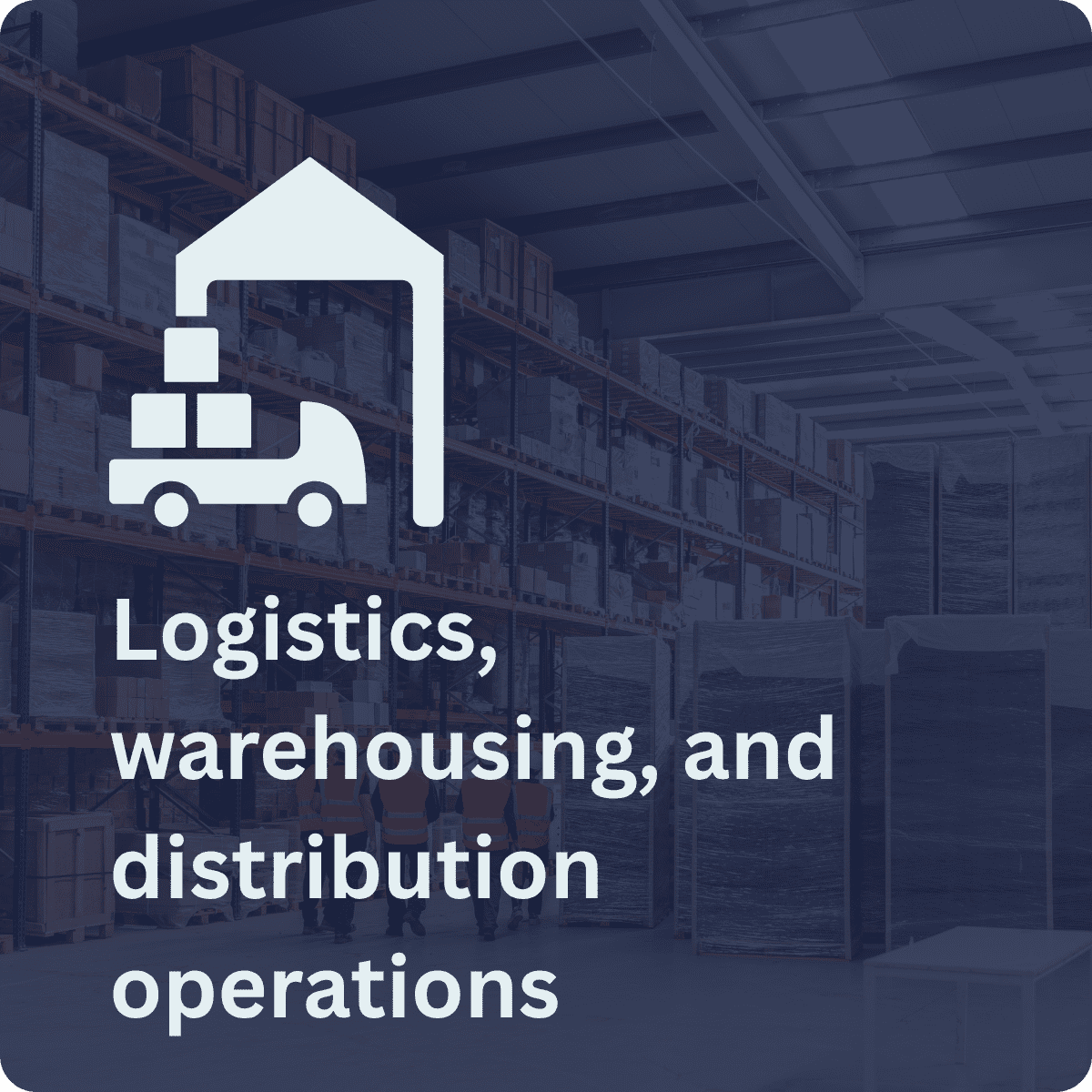
We work with organizations in environments where process consistency, operational accountability, and repeatable delivery are essential to performance and customer confidence.


Company Stats
A Proven Partner for High-Stakes Compliance

100%
Successful Readiness
Outcomes

1000+
Organizations Supported
Globally

30+
Regulated Standards
Covered

20+
Years of Consulting
Experience
Client Proof
A track record built across high-accountability standards
ISO 9001 Frequently asked questions (FAQs)
What is ISO 9001 in simple terms?
ISO 9001 is an international standard for building and maintaining a quality management system. In simple terms, it helps an organization define how work should be carried out, who is responsible for what, how performance is reviewed, and how problems are corrected and improved over time. The purpose is not to create paperwork for its own sake, but to make quality more consistent, measurable, and manageable across the business.
Who typically needs ISO 9001 certification?
ISO 9001 is used by organizations that need to demonstrate controlled operations, consistent quality, and a structured management system. That often includes manufacturers, logistics providers, engineering firms, laboratories, government suppliers, technical service businesses, and growing companies facing stronger customer or supplier requirements. In many cases, certification becomes relevant when informal working methods are no longer enough to support growth, qualification, or customer confidence.
When does ISO 9001 become necessary for a business?
ISO 9001 usually becomes necessary when quality starts affecting more than one team or one manager’s oversight. It often becomes relevant when customer expectations increase, supplier qualification demands become stricter, operations become more complex, or recurring issues start exposing gaps in consistency and accountability. At that point, a structured system becomes less about formal compliance and more about controlling how the business actually operates.
Why does ISO 9001 matter beyond certification?
ISO 9001 matters because it creates structure around how work is planned, performed, monitored, corrected, and improved. Certification may be the immediate goal, but the broader value comes from stronger process control, clearer ownership, more reliable records, better management visibility, and more disciplined corrective action. When implemented properly, it improves the way the business runs rather than simply preparing it for an audit.
What is the difference between ISO 9001 compliance and ISO 9001 certification?
Compliance usually means your organization has aligned its practices with ISO 9001 requirements internally. Certification means an accredited third-party certification body has audited the system and confirmed that it meets the standard. Many organizations begin with internal alignment, but market credibility is usually stronger once certification has been achieved.
Can a service-based business get ISO 9001 certified, or is it mainly for manufacturers?
Yes. ISO 9001 is absolutely relevant for service organizations. While many people associate it with manufacturing, the standard is built around process control, accountability, performance monitoring, customer focus, and continual improvement, which apply just as much to service delivery as they do to production. Consulting firms, logistics providers, engineering companies, healthcare support organizations, and technical service businesses can all benefit from ISO 9001 certification.
Is ISO 9001 relevant for mid-sized businesses, or only for large enterprises?
ISO 9001 can be highly relevant for mid-sized businesses, especially when they are growing, formalizing operations, or trying to qualify for larger customers. In many mid-sized organizations, the challenge is not lack of capability but the fact that processes have outgrown informal control. ISO 9001 helps create structure before inconsistency, rework, weak documentation, or qualification pressure become harder to manage.
Can ISO 9001 support supplier qualification and customer credibility?
Yes. ISO 9001 is often valuable because it gives customers, suppliers, and procurement teams more confidence that the organization operates in a controlled and repeatable way. Certification can strengthen qualification posture during supplier reviews, improve credibility during tenders or customer onboarding, and show that the business takes process discipline and continual improvement seriously. Even where certification is not yet mandatory, it can still support commercial trust.
Is ISO 9001 certification worth it if a customer is not explicitly requiring it yet?
In many cases, yes. ISO 9001 can strengthen consistency, improve internal control, reduce rework, and increase credibility during procurement or supplier review even before certification becomes a formal requirement. For growing organizations, it can also create structure early enough to avoid process drift and operational inconsistency later.
What problems does ISO 9001 help solve inside an organization?
ISO 9001 is often used to address operational issues such as inconsistent execution, unclear process ownership, recurring nonconformities, weak management visibility, and poor alignment between documented procedures and real operations. These issues may not always look like quality problems at first, but over time they create friction across delivery, accountability, customer experience, and internal control. A structured QMS helps reduce that drag.
Can ISO 9001 help if quality issues are caused by unclear ownership and inconsistent handoffs?
Yes. One of the most common reasons organizations turn to ISO 9001 is that responsibilities, handoffs, and process ownership have become too loose or inconsistent. The standard helps define who owns what, how activities connect, what records should exist, and how results are reviewed. That creates more operational clarity and reduces the risk of issues falling between teams or being handled inconsistently.
Does ISO 9001 only help with audit readiness, or can it improve operational performance too?
It can do both, but the stronger value usually comes from operational improvement. Audit readiness is important, but a well-implemented ISO 9001 system also improves consistency, clarifies ownership, makes records more usable, strengthens management oversight, and helps corrective action work more effectively. The organizations that get the most value from ISO 9001 are usually the ones that treat it as an operating system for quality, not just an audit requirement.
What does a quality management system that works in practice actually look like?
A quality management system that works in practice is visible in daily operations, not just in documents. Processes are defined clearly enough to support consistency. Responsibilities are understood. Quality objectives are measurable and reviewed. Records are usable. Issues are investigated properly and corrective action is followed through. Leadership uses management review to assess performance and improvement priorities. In a working system, the QMS supports operations instead of sitting beside them.
What is the difference between an ISO 9001 system on paper and one that works operationally?
A system on paper may contain procedures, templates, and records, but still fail to influence how work is actually done. A system that works operationally is built around real processes, real responsibilities, and real decision-making. It is used by teams, reflected in records, supported by management review, and visible in how issues are corrected and performance is measured. The difference is whether the system exists as documentation alone or as part of the way the business runs.
How does ISO 9001 support leadership visibility and better decision-making?
ISO 9001 supports better decision-making by requiring more structured review of objectives, process performance, issues, corrective actions, risks, and improvement priorities. When implemented well, it gives leadership clearer insight into how the system is performing and where action is needed. That improves visibility across the business and makes quality easier to manage strategically rather than reactively.
How long does ISO 9001 certification usually take for a growing company?
The timeline depends on your starting point, operational complexity, number of sites, and how mature your existing processes already are. A company with defined workflows, stable records, and active leadership involvement will usually move faster than one still relying on informal practices. In most cases, ISO 9001 takes several months because the quality management system needs to be implemented, operated, reviewed, and supported by evidence before the certification audit begins.
What does an ISO 9001 consultant actually do during implementation?
An ISO 9001 consultant helps translate the standard into a workable quality management system for your business. That usually includes scoping the QMS, identifying process gaps, building or refining documentation, defining responsibilities, preparing for internal audit and management review, and helping teams present evidence clearly during certification. The right consultant should improve clarity and speed without turning the project into unnecessary bureaucracy.
How much internal time and effort does ISO 9001 implementation require?
ISO 9001 always requires internal involvement because the system has to reflect how the organization actually works. Leadership, process owners, operations, and quality-related roles usually need to contribute to process definition, recordkeeping, review activities, and corrective action. A good consulting approach reduces wasted effort, but it cannot replace internal ownership.
How do we define the right ISO 9001 scope for certification?
Scope should reflect the products, services, functions, and locations that are genuinely part of the quality management system. If scope is too broad, the project becomes heavier than necessary. If it is too narrow, it may not match operational reality or customer expectations. Good scoping requires understanding how value is delivered, where responsibilities sit, and which activities need to be governed by the QMS.
Can we implement ISO 9001 across multiple sites or business units?
Yes, but multi-site implementation requires stronger coordination. Process ownership, local variations, records, internal audit coverage, and management review inputs all need to be handled carefully. The more distributed the organization is, the more important it becomes to define common controls while being realistic about operational differences across locations.
What documents do we actually need for ISO 9001 certification?
The exact documentation depends on the organization, but most ISO 9001 projects require a clearly defined QMS scope, documented process structure, quality policy, quality objectives, operational procedures where needed, records showing processes are being followed, internal audit outputs, management review evidence, corrective action records, and improvement-related documentation. The goal is not to create paperwork for its own sake, but to show that the system is functioning consistently.
What do ISO 9001 auditors usually focus on during a certification audit?
Auditors usually focus on whether the quality management system works in practice rather than whether documents merely exist. They look for clear process control, defined responsibilities, objective evidence, internal audit activity, management review, corrective action, and alignment between documented methods and actual operations. They also pay close attention to whether leadership involvement and continual improvement are visible in the system.
What are the most common reasons organizations struggle during an ISO 9001 audit?
The most common issues are unclear process ownership, weak control of records, objectives that are vague or not measured properly, corrective actions that do not address root cause, and management reviews that lack substance. Another frequent problem is that the documented system looks complete, but day-to-day operations do not actually reflect it. That is usually where audit friction begins.
How do we maintain ISO 9001 certification after the initial audit?
Maintaining certification requires the QMS to remain active, not frozen at the point of audit. Organizations need to continue using controlled processes, measuring objectives, conducting internal audits, holding meaningful management reviews, addressing nonconformities, and demonstrating continual improvement. If the system stops being used operationally, certification becomes harder to maintain over time.
How much does ISO 9001 consulting usually cost?
Cost depends on scope, number of sites, current maturity, documentation quality, and how much support is needed across gap assessment, implementation, readiness review, and audit support. Projects are usually more efficient when the organization already has defined processes and leadership involvement. Costs rise when scope is unclear, records are weak, or significant remediation is needed before certification.
What should we look for in an ISO 9001 consulting partner?
An ISO 9001 consulting partner should help translate the standard into a system that fits real operations, not force the organization into a generic compliance model. Good support should bring clarity around scope, effort, timeline, and deliverables while keeping documentation practical and implementation manageable. It is also important to look for a partner that can support internal audit readiness, management review, corrective action, and certification preparation without creating unnecessary bureaucracy.